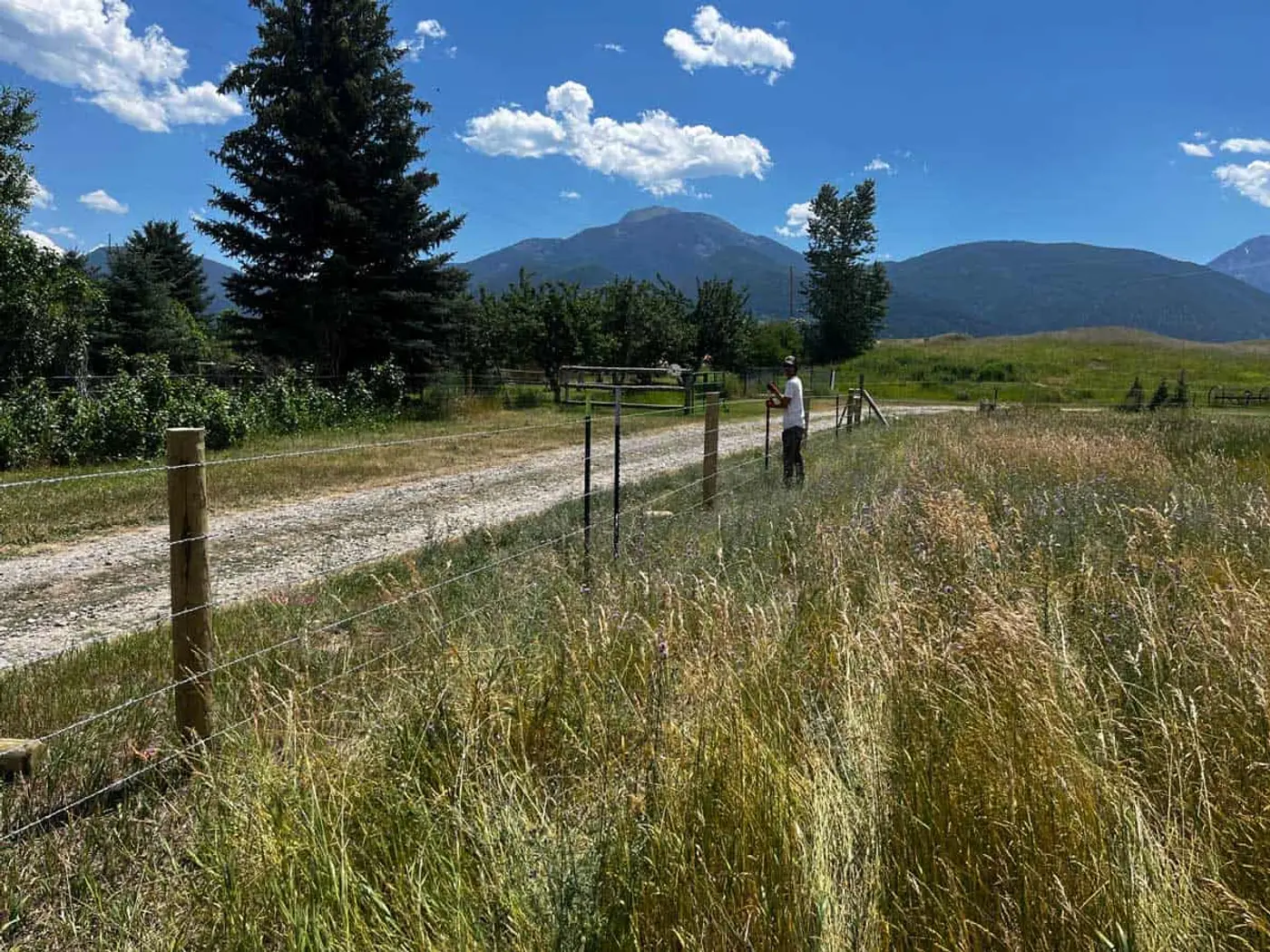
Fences play an aesthetic and functional role on the ranch — but not just any fence will do. Ranchers have unique needs, and fences are not all built the same. Choosing right means thinking through a few factors honestly before spending money.
What Purpose Will It Serve?
The first and biggest question. Certain fences suit certain jobs:
- Containing cattle → field fence, barbed wire, pipe at pressure points
- Horses → no-climb mesh, board fence, or continuous panel — safety-first designs
- Boundary marking → split rail or jackleg for looks and clarity
- Privacy → cedar privacy fence
- Working pens → welded steel, no exceptions worth making
Ask what the fence is for before you pick a material — the use should drive everything else.
How Long Does It Need to Last?
Durability varies enormously. Welded pipe effectively never wears out; treated wood serves for decades; untreated soft woods weather fastest. Match the investment to the fence’s importance: perimeter and working fences deserve the durable end of the spectrum, decorative interior lines can flex.
What’s the Terrain Doing?
Montana ground has opinions. Rock ledge and shallow soil fight post-set fences — jackleg sits on top and doesn’t care. Frost heave pushes posts; depth and drainage counter it. Steep grades, river crossings, and drift zones each have right answers. This is where local experience pays.
What About Budget?
Real talk: cost per foot ranges widely, and the cheapest fence per foot is rarely the cheapest per year of service. Wire is economical at distance; wood balances cost and looks; steel costs most up front and least over 30 years.
Get a Recommendation, Not a Sales Pitch
We build every type above, which means we don’t need to steer you to the one thing we sell. Tell us the job, walk the line with us, and we’ll spec what actually fits — free estimates and measurements, (406) 551-6772.